
Artful Stealth
Returning to the ways of the Shinobi

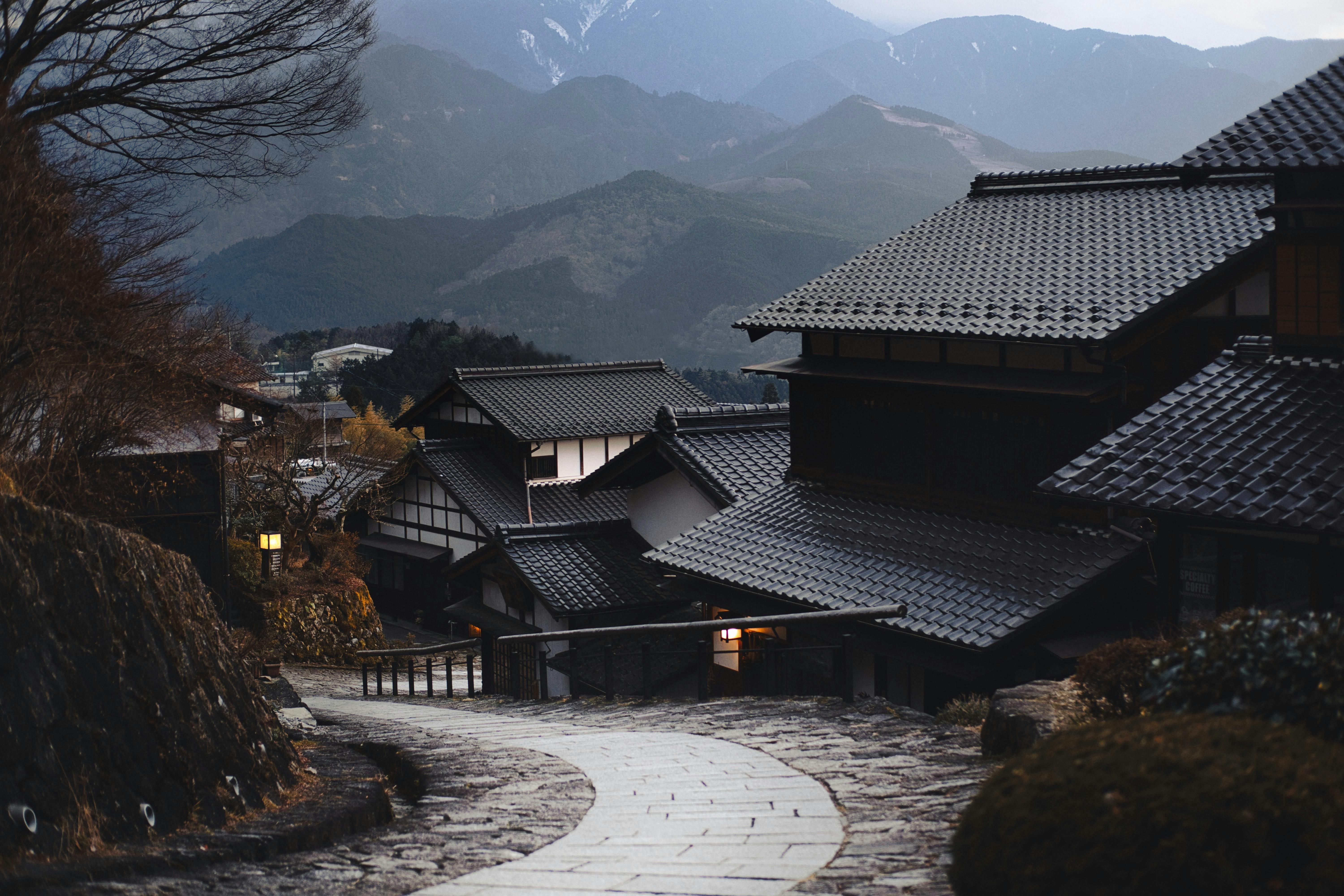
Taijustu is the unarmed training methods and body movement skills associated with those samurai era intelligence gatherers known as the shinobi.
My reading into this intriguing part of old Japanese culture has been diverse and although I’m certainly not a historian with in-depth knowledge of Feudal Japan, I can say that there’s much misinformation about the culture surrounding the shinobi.
In earlier years, I did spend significant time studying and teaching some Japanese arts, such as Ju Jitsu, Daito Ryu Aikijutsu, and various expressions of the shinobi’s Taijutsu.
Then, my training took me into other arts and warrior cultures...but I returned to this world of shinobi. Why you might ask...
In the private security world much of my work has been about risk intelligence, blending in, gathering information and sometimes there has been a need to use physical skills to evade, disengage or counter threats.

When I created my own training methodology Tri-Tier, although it’s not a style in itself, it does bring in unconventional principles and exercises from older arts.
Different exercise modalities can be used at different times or for the specific goals of the individual. A key theme of Tri-Tier is to detect and avoid the threat. Stealth and guile as opposed to a gladiatorial roar.
Direct close quarter self-protection is still a part of our training but I realised that not so many disciplines possessed really expanded training material for moving with stealth and remaining unseen.
In some arts, there are certainly movement skills and stealth based tactics, as many of these traditions were used in conflict and guerrilla warfare.

W.E Fairbairn taught some of these aspects to SOE operatives during WW2. However, such skills are not always emphasised so much in modern schools.
I started to revisit various historical accounts and once again, explore the expressions of Taijutsu, I’d studied rather diligently, in earlier years. Then, there was knowledge gained from other traditions and of course my own experiences.

Many Japanese classical arts were designed very much for that era, taking into account the terrain, armour and weaponry, along with the cultural framework. It would not be disrespectful to imply that some modifications might be needed to apply them in today’s street scenarios.

In Tri-Tier, overly complicated locks or throws or techniques that over commit the practitioner to one opponent are generally avoided. There is less focus on classical weaponry because it might be better to put more focus in people’s time restricted training on more modern street encounters or weapons such as knives.

Tri-Tier’s close quarter tactics may take more influence from other traditions and mind sets. It’s also an intuitive approach that moves with the times and where my own journey and experiences take me.
Nonetheless, I’ve found something useful and potent in looking at: some of the footwork drills, use of kamae (momentary positions similar to postures or stances yet also representing something different), movement skills, and training in varied terrain.
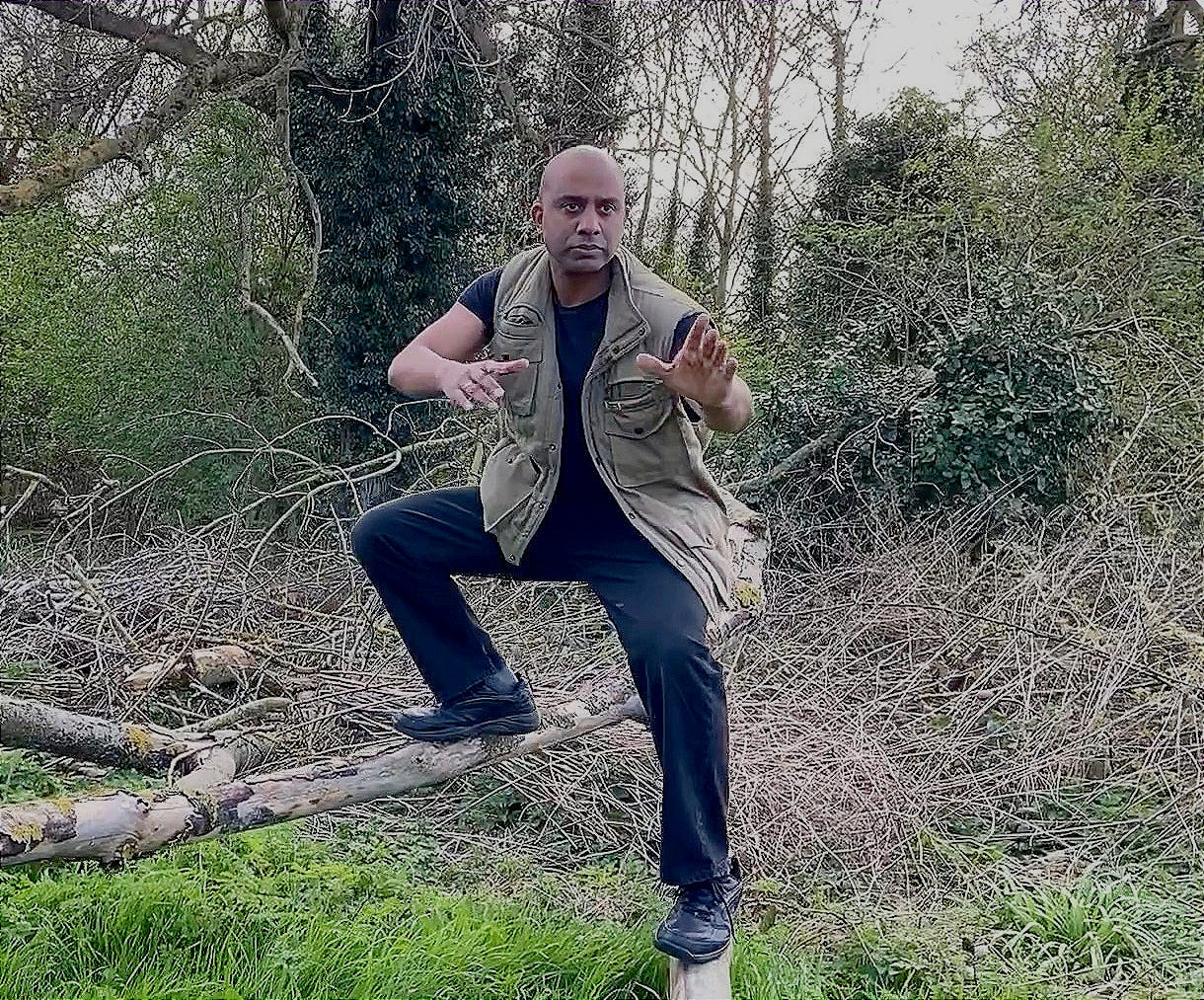
Then, there’s flexibility exercises, the use surprise, as well as the philosophy of keeping things natural and blending in.
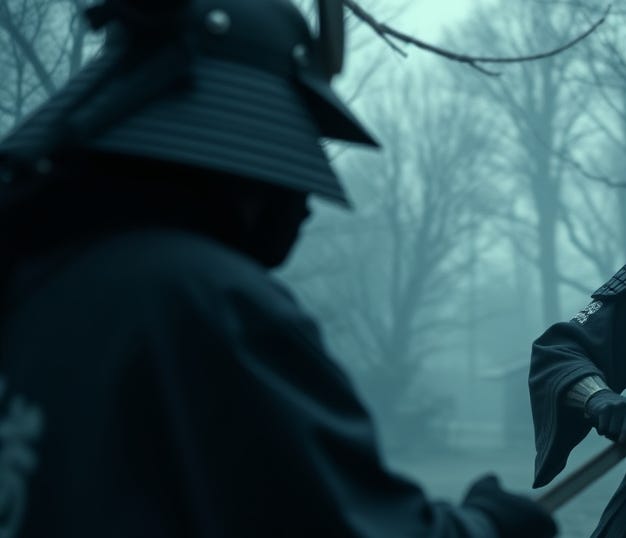
These aspects can be applied as part of their own form of daily preparation training for the day ahead. The training can be used to gather one’s concentration, heighten awareness, improve balance, preserve mobility, inspire resourcefulness and foster that resilient mind set of persevering.
In both my publications, From the Hip and Elusive Ways, you will find knowledge on everything from human engagement skills, to being the grey man to subtle movement skills and wielding the unexpected. These can be useful to people in everyday life and to those who work in different areas of security.

Last year, US martial arts writer and self-defence teacher Mark Jacobs interviewed me for this article for the US online publication Skillset, on how make oneself less of a target. (Blending in with Aran Dharmeratnam).
Mark has been involved in the martial arts world for a long time and asked some intelligent, probing questions. It was good to convey how this concept of stealth can be such a useful component for those keen to avoid street crime.
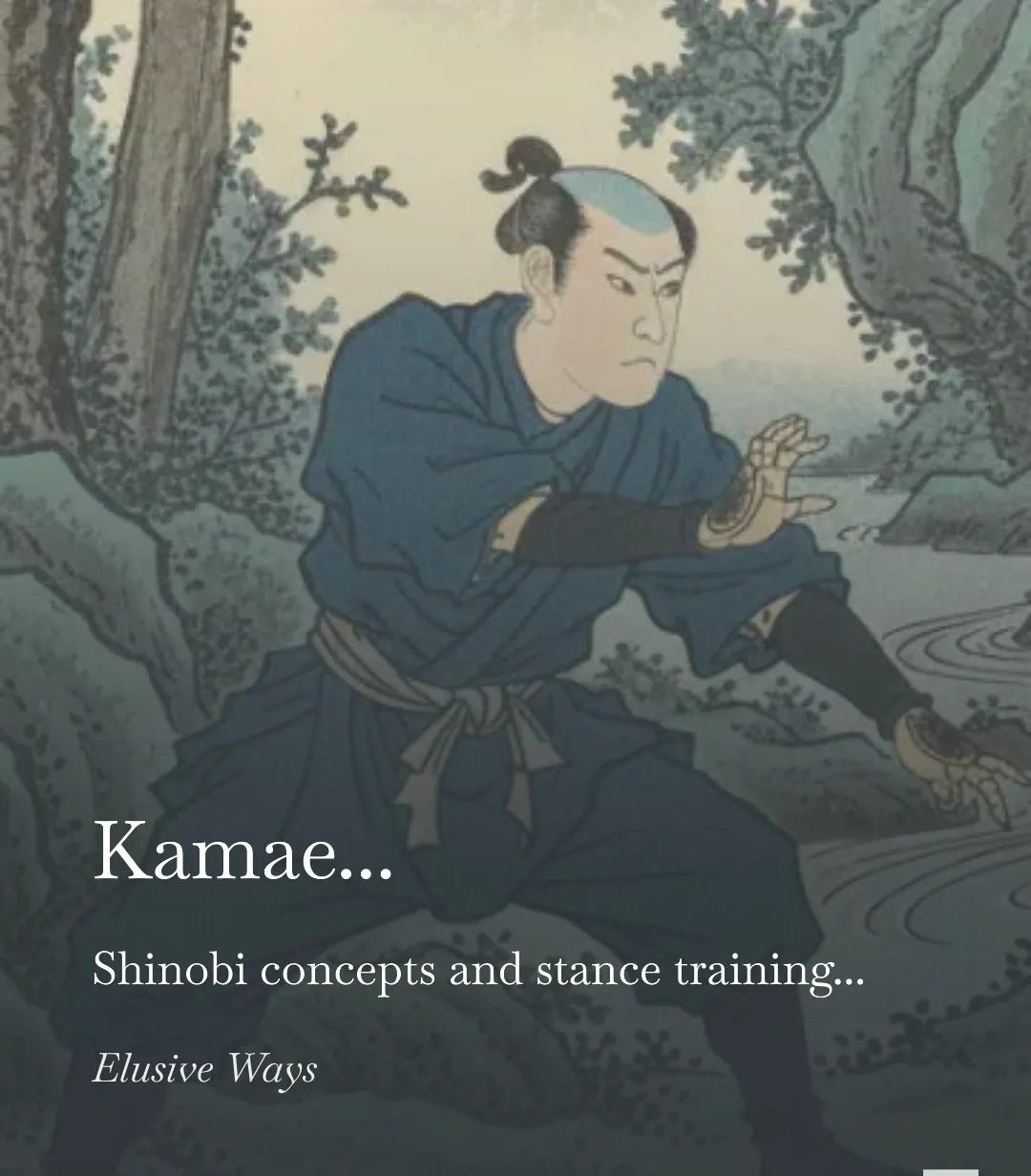
In popular culture, the shinobi path is understandably sensationalised and romanticised under that well known term ninja....so that it catches the imagination of readers and film goers alike.
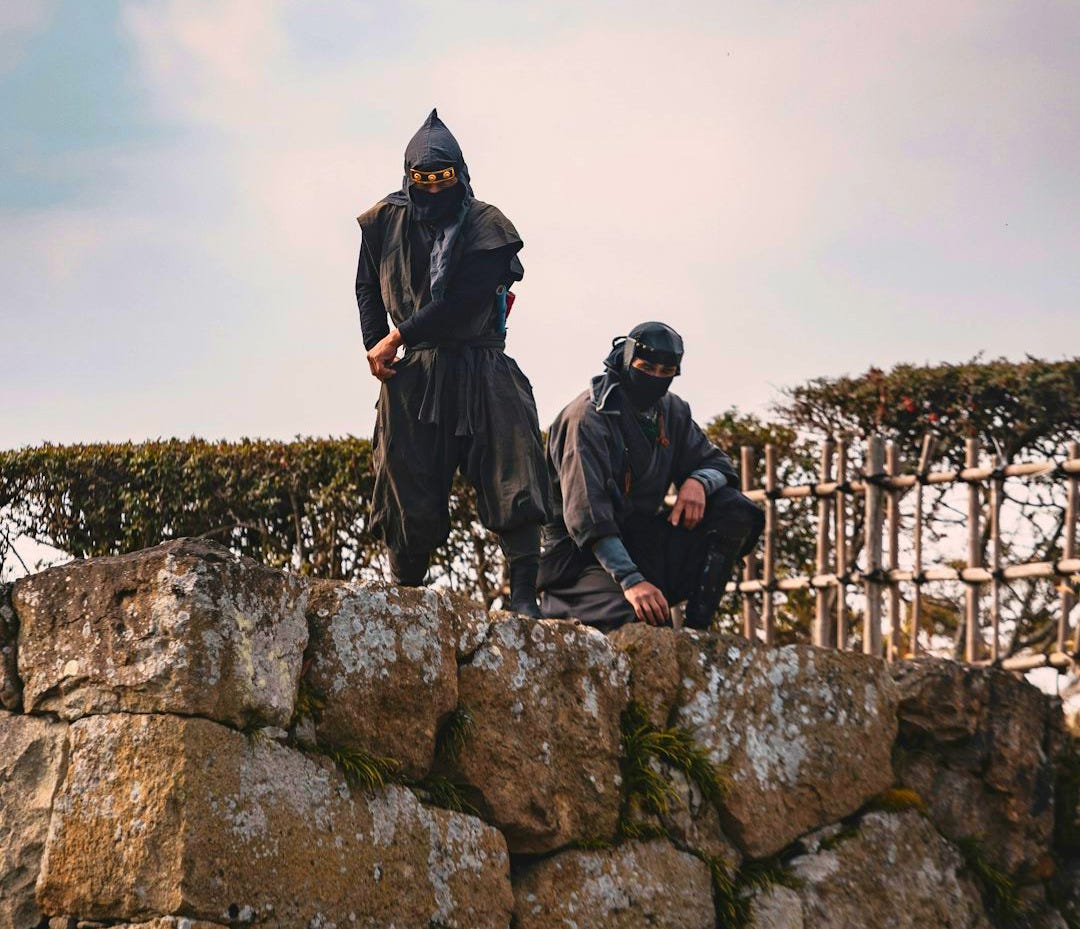
There are also those who’ve really tried to build a mythos involving the mystique of the ninja yet often show techniques that may be more relevant as some kind of cultural immersion process as opposed to realistic self-preservation skills.
Members of the public have to do some research and be very clear about what it is they are after and what the commitment to a martial art/ self-defence school can realistically provide.

There’s something else about this attribute of stealth that as someone who has trained and mentored many young people, I can see has value.
Artful stealth is something that need not be kept within the realm of purely physical skills. It is a concept for young people today, to grasp so they do not draw the unnecessary attention of those with deceitful or dangerous intent through their speech, behaviour or even activity in the digital realm.

There are organisations and advisers on the wealth management side who guide young people with their finances, family business and inheritance
My work has sometimes involved helping young people to recognise not only crude street level threats but also to read situations and people where they may be targeted due to their financial profile or family status/ background.
In such situations the approaching party may initiate situations, lifestyle loops, or influencing behaviour that may lead to costly events regarding reputation, safety or financial risk.
Stealth is a concept that can be taught on multiple levels. It equips the person with an ability to move about with less chance of attracting the wrong attention to one’s wealth, assets, vulnerabilities or valuables.
Stealth allows a person to read the signs of deception and slip away when things don’t feel right- be it an alluring invitation or compromising scenario.
Stealth can even build a subtle type of confidence and help young people to be more aware of their actions and movement.

I do feel though, as some of the more practical of these old ways of training help one to get out into nature, connect better with their surroundings and develop a tangible connection with their body, they are worth exploring.
Actually, even stealth like training can help us to have more meaningful connections with others and understand something deeper about ourselves.
See you on the path…maybe.
Aran
About the author
Based in London, Aran Dharmeratnam is the founder of Tri-Tier. He specialises in resilience and self-protection training, often working with high-profile figures and their families. With experience in various areas of the security sector, Aran also works with global security companies involved in private investigations and strategic intelligence. He’s been deployed on the ground, in numerous cases. Aran’s insights have appeared in The Financial Times, The Spectator, LBC, Aviation Security International, and Security Management Today.
For consultations or training contact: office@tri-tier.com