
Like a Horse Man....
Footwork, mobility and the mounted warrior

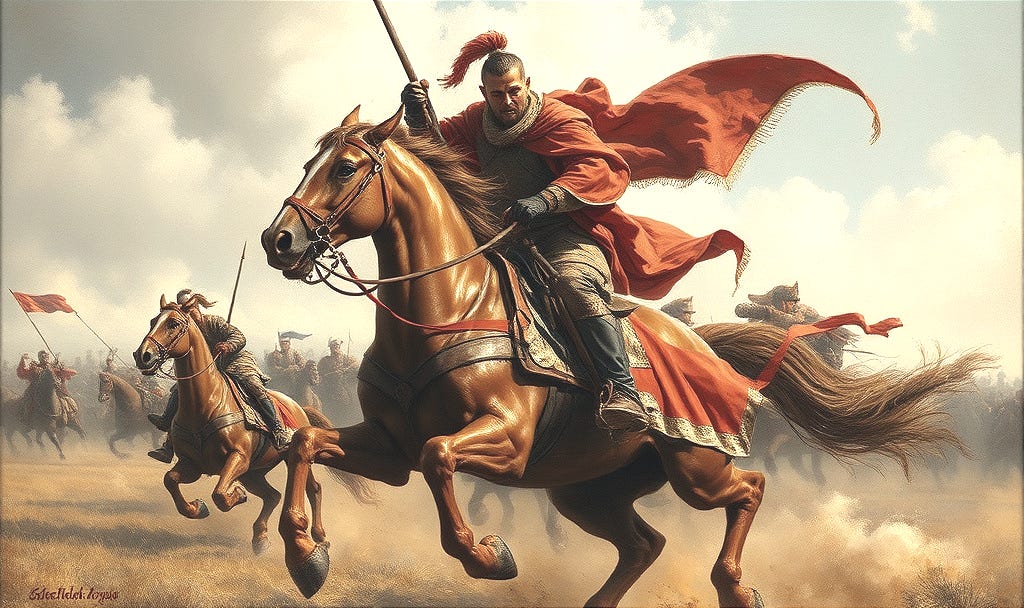
With a crack flanking manoeuvre, I'm an uhlan alles uber...'
from the song: Horse Soldier, Horse Soldier by Corb Lund
Some years ago, during one of my defence tactics courses, I recall this instructor of various fighting arts, who attended. A strong, somewhat intense Eastern European man with an ever so menacing demeanour that he made good effort to cloak, in somewhat suppressed fashion.
He was tall, with significant reach and good boxing skills. It's always good to be mindful of the capabilities of others. Anyway, the workshop on this day, was oriented towards the physical, tactical side, conveying flanking tactics, light foot work, and unpredictable strikes, useful in those rare moments, where one really is in a bad situation.
The instructor, with distinct Baltic features and a quiet, measured voice, proved to be open minded and was observing carefully. I noticed out the corner of my eye that his stern gaze was very much focusing at ground level, especially when I showed some evasive work against grabbing opponents. It was like he was doing research for a sports footwear brand!
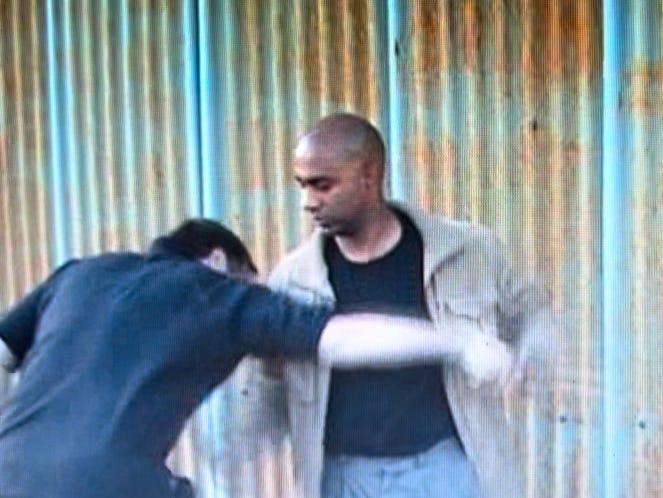
Anyway, this type of work against grabbing opponents, is useful for security and law enforcement professionals; yet equally of value to the lone traveler, trying to avoid a kidnapping situation, or for those in occupations, such as paramedics, where they may be exposed to rage based aggression.
Quiet for a moment and maintaining a look of concentration, the curious instructor then became more relaxed and less intense, as he shared his thoughts…

He said he was fascinated by the footwork being applied, thus explaining the ground level gaze,and asked me to share more an this. It was good that he had noticed this, as I do feel is that at times, there is great value in mobile tactics. This brings me to today's subject.
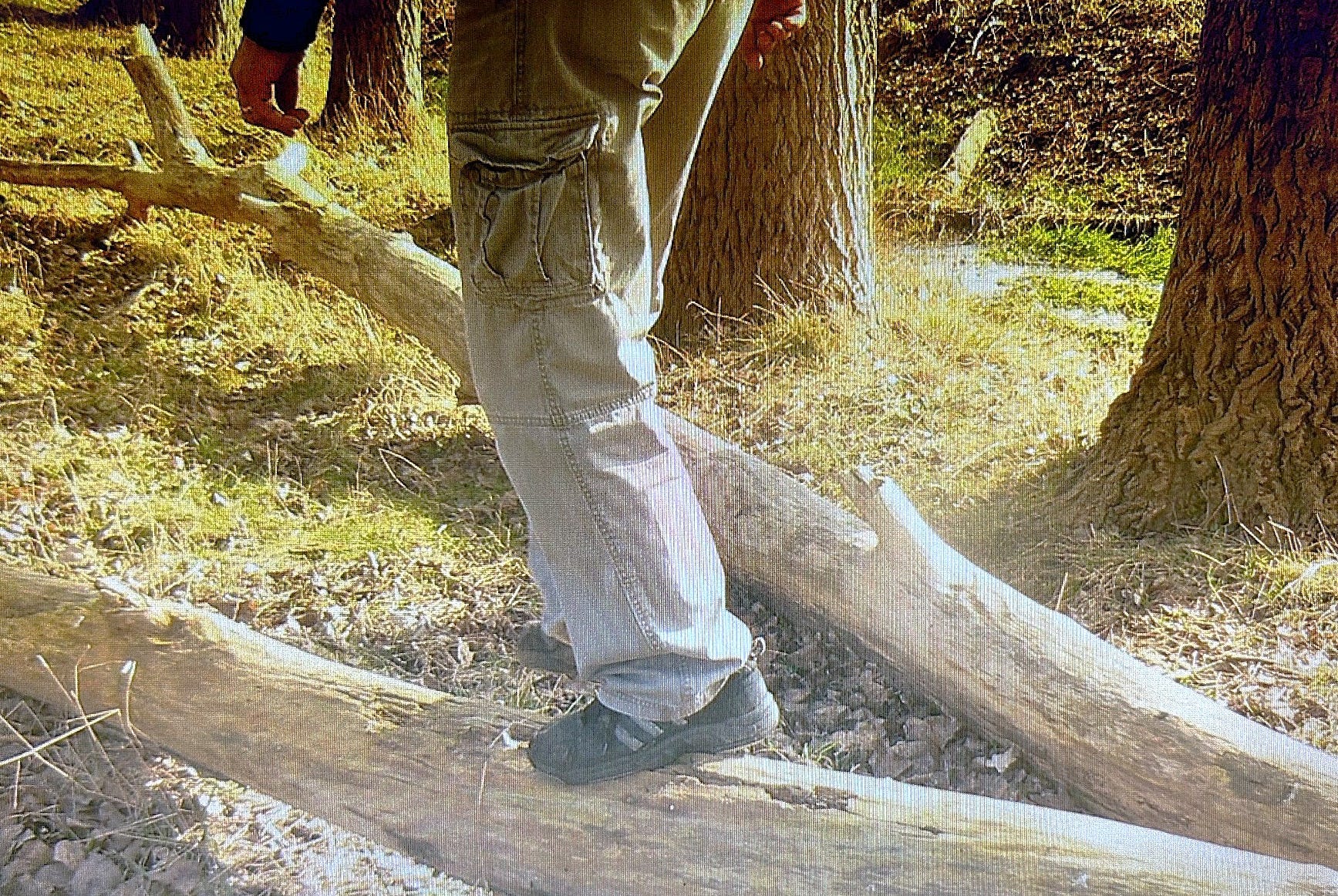
Different types of footwork
There’s footwork for the ring and there's footwork when you’re on more rugged terrain and there could be more than one opponent.
Footwork should feel natural and it should be spontaneous. It shouldn't put stress on the joints and should allow your gait to be natural. It should allow you to move quickly in different directions, while maintaining good balance.

A big part of training is about deploying accessible and decisive mobility. It's about accessing body intelligence and being resourceful.
Tri-Tier encourages mobile tactics so one can be elusive and harder to pin down. Ideally, timely and alert footwork can help us to avoid even being a target of the predatory- something we focus on in urban disengagement training. When avoidance is not possible, it can at least, make you a hard target.

As a perpetual student of movement and manoeuvres, I was able to incorporate into Tri-Tier, footwork drills and exercises from many different arts.
This includes movement skills from Taoist arts such as Bagua, relaxed stepping from flowing Slavic fighting systems such as Systema, leg conditioning exercises from Kuntao, and some subtle, stealth like stepping practices from old Japanese warrior traditions.

There are even arts, with quite unusual ways of stepping that whilst might not be so accessible unless practised with diligence; such ways of moving develop agility and contribute to the practitioner's goal of developing adaptive, versatile feet.

Some footwork drills are to increase flexibility, balance, and movement along certain vectors. They can also be useful as part of injury prevention. Certain exercises stimulate the arches of the feet; others may simply prove useful in a certain setting.
So, as you can see, yes we have traditional and modern foot work drills, but sometimes a bit of imagination and creativity can also help one to move more freely.
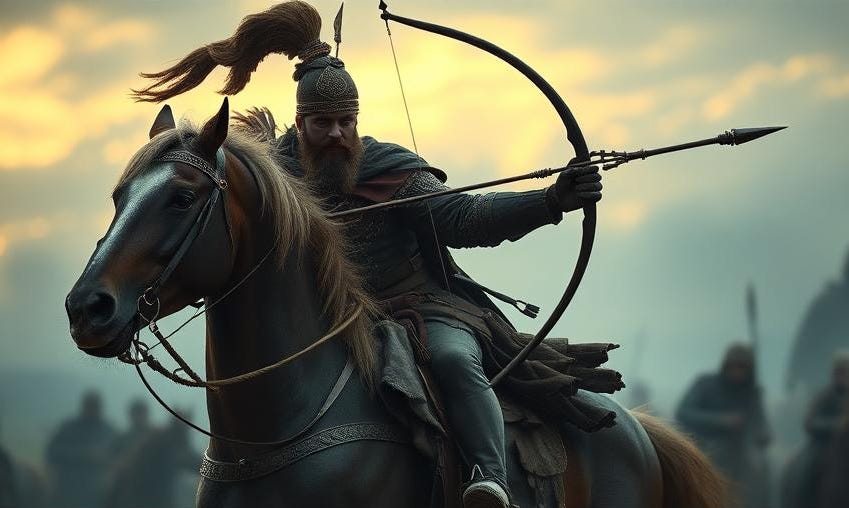
The horse soldier
One of the tactics, we use to disengage from attacks or to flank and counter if really necessary is known as The Moving Archer. I used the imagery of a mounted archer, who strikes on the move.
This is why today I pay tribute to the courage and spirited energy of the mounted warriors, of by gone eras. Over the years I researched about the tactics and movement skills of native warriors and more organised military groups.
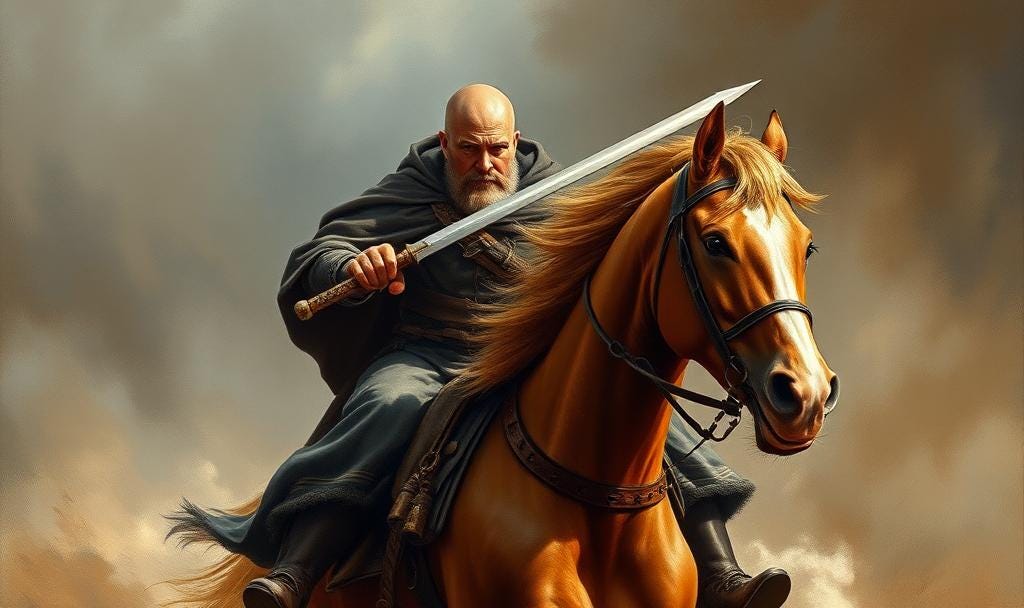
I recall the first lesson I got from a master of a certain Russian martial art tradition, with Cossack influence. He said (translated), in the old times these warriors were successful in battle because they maintained good form.
This required real relaxation. They could also multi task in charging, dynamic fashion: controlling horse, becoming one with the noble steed, keeping balance and keeping mounted, whilst wielding weapon and evading the projectiles of the enemy.
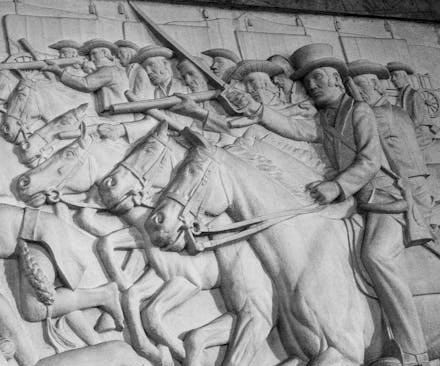
They had to also overcome their own fears- no small feat when charging into a sure footed line of ready troops. As the lyrics go further on in the wonderful song Horse Soldier, Horse Soldier: 'Once again against myself was cast...'.
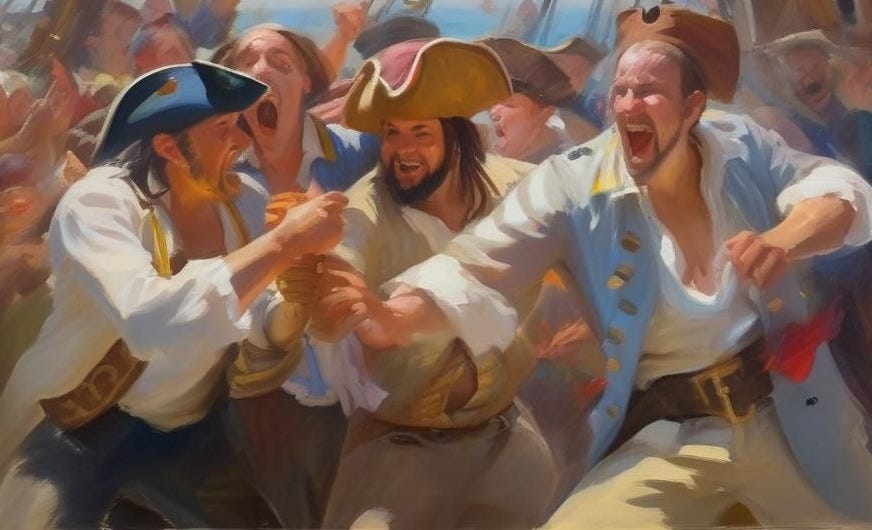
The Cossacks of Zaporizhzhia, Ukraine were, rather like the pirates of Nassau, staunch believers of freedom of movement, bravery and adventure. This freedom of movement has been expressed by many a rider from different times and cultures.
Horse warriors also developed strong legs and needed high levels of stability and agility. Note in the traditional Chinese arts the use of the horse stance to build strong legs and resilience.
It's been sometimes since I rode a horse and would at some point like to return to it but hopefully, somewhere where there is space and wide open, wilder terrain.

Attributes and tactics
A mounted warrior needed to be in control of his body and his mount, yet fully aware of his surroundings. Core stability, balance, posture, endurance and a readiness to commit to an action are all attributes of the cavalry soldier but can also be of use to the individual simply needing to be quick and effective, on their feet.
In Tri-Tier, we will also sometimes explore the tactics of low level kicking. Such tactics should be sudden, like the kick of a defiant horse. I will often use the metaphor of moving like a centaur.
This imagery is to get people moving with strong legs and assertive speed. Sometimes, one might have to cover distance or be mobile both in body and spirit.
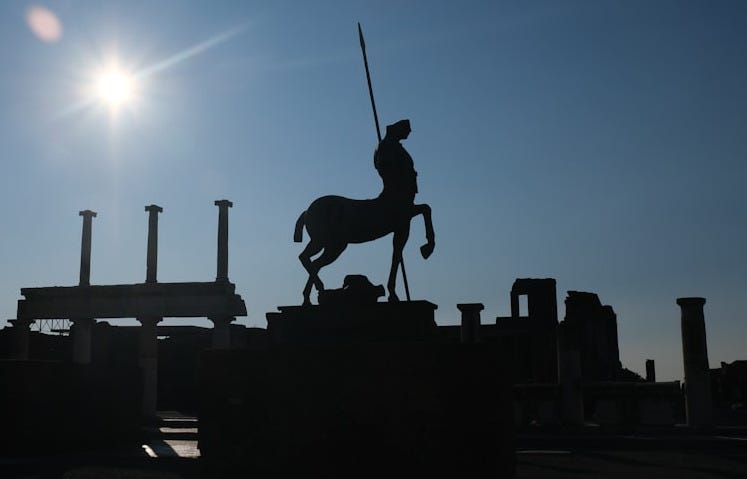
In Greek mythology, the centaur can be seen as a symbol of balancing the concepts of instincts and wisdom. You could say that these half man half horse mythological creatures embody and represent the wild, primal side and the disciplined side, that human kind must strive to harmonise. It’s said that the Greek warrior Achilles was trained by the healer Centaur, Chiron.
Centaurs are also sometimes depicted with a bow, so again this imagery connects with Tri-Tier's flanking strategy - The Moving Archer. This is also somewhat similar to one of the main circling palms of Bagua.
Also, like a mounted archer, an individual who is in a close quarter situation may need to hit on the move and not from a static position, especially if there’s more than one opponent.
Really though today, I wanted to acknowledge the horse mounted warrior and get practitioners of the arts, thinking about mobility from different perspectives and the freedom of movement.
Aran
About the author
Based in London, Aran Dharmeratnam is the founder of Tri-Tier. He specialises in risk reduction and self-protection training, often working with high-profile figures and their families. With experience in various areas of the security sector, Aran also works with global security companies involved in private investigations and strategic intelligence. He’s been deployed on the ground, in numerous cases. Aran’s insights have appeared in The Financial Times, The Spectator, LBC, Aviation Security International, and Security Management Today.
For consultations or training contact: office@tri-tier.com